
By Alyshaan Rasheed
(⚠️This article was written without the use of AI)
Art has been an integral part of human society and the individual self. The way of storytelling, communication, and self-interest relies on what the creator wants to express and how the rest of us interpret it, given our differences in perspectives.
Ever since the Stone Age, maybe even before that, various depictions of art have told us a vast collection of stories and history about mankind surviving in the wild. Since then, literature and the civilized world have caught on and have become a part of us.
This brings us to the question: “Can originality exist without human understanding?“, or “Can machines mimic original ideas without as much as individual thought?“
Simplified, the answer is no. This leads us to the next question, “Can machines reproduce art?” To answer this, we’ll have to face the ethical and moral standings humans have followed all these centuries.
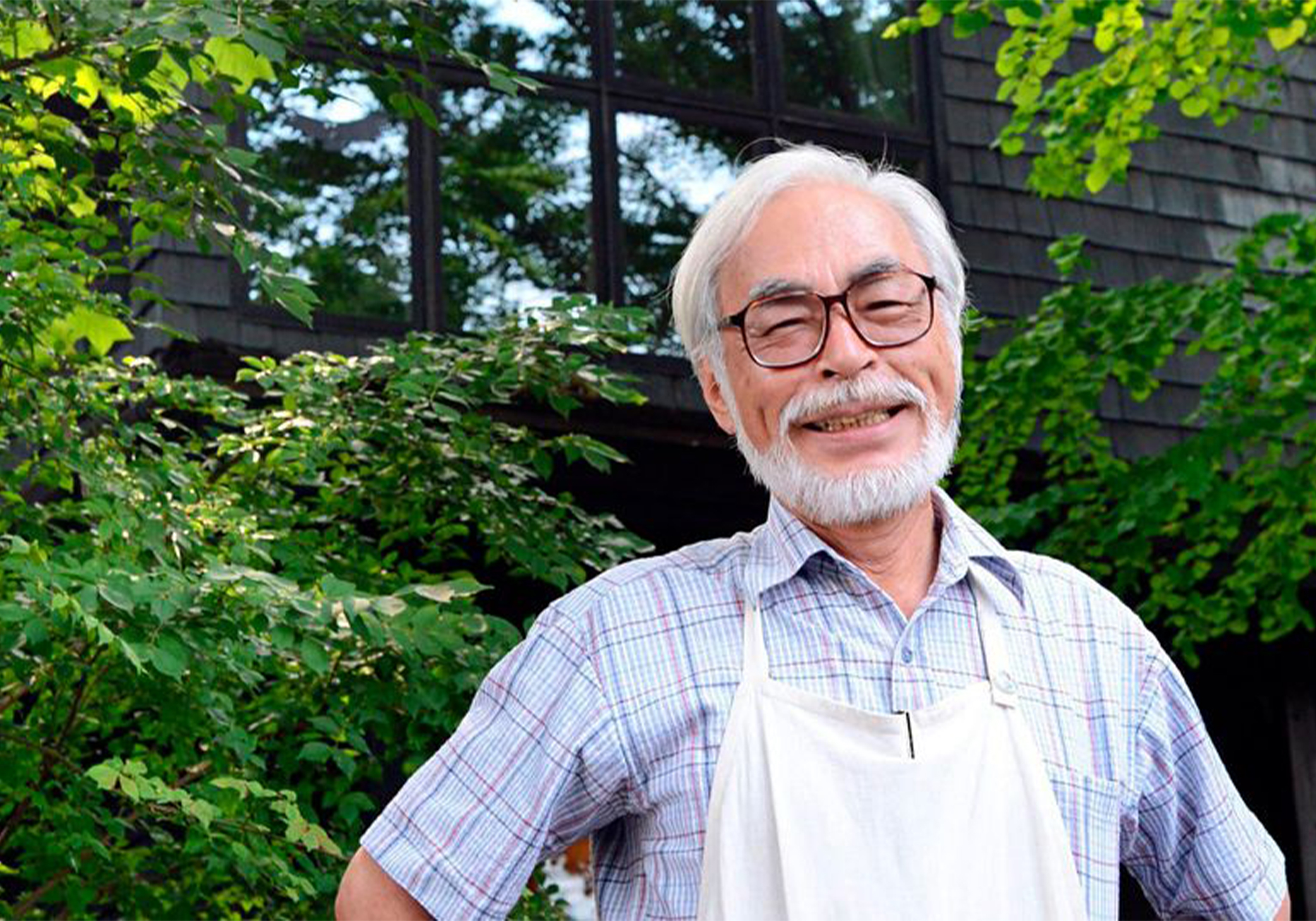
Hayao Miyazaki, founder of Studio Ghibli, Japanese filmmaker, and manga artist, expressed strong dislike to AI-generated animation criticizing it as an ‘insult to life itself.‘ He believes AI cannot replicate the genuine human experience and emotions essential for creating original art, fearing it leads to art devoid of soul and humanity.
Artificial Intelligence (AI) uses data and algorithms to behave similarly to a human brain. Where do we draw the line when ethics or morality are a factor? Is it to complete one’s CS assignment? Is it to recreate a picture to post on Instagram? Or simply to befriend the AI because it “understands” you?
“I want AI to do my laundry and dishes so that I can do art and writing, not for AI to do my art and writing so that I can do my laundry and dishes.” — Joanna Maciejewska
Do you notice the problem here? Rather than making our jobs faster and easier, AI is replacing human logic and critical thinking with itself. Not to mention the rate at which it can learn—surpassing ours.
Stephen Hawking, while acknowledging AI’s beneficial powers in medicine and other fields, voiced concerns about the potential dangers of advanced artificial intelligence, fearing it could surpass human intelligence and pose an existential threat. “We may face an intelligence explosion that ultimately results in machines whose intelligence exceeds ours by more than ours exceeds that of snails.”— In Stephen Hawking’s Brief Answers to the Big Questions
Tell me, how many AI-generated content have you seen this year compared to, say, last year? Have the number of AI content increased, decreased or stayed the same? They must’ve decreased since you can’t spot many these days, right? Not exactly. It’s not that you’re seeing less AI-generated content, you’re seeing more AI-generated content that’s adapted to its surroundings. This is called Survivorship bias.
What drives you to make art? Is it the process, the journey and not the destination? Is it the mistakes and flaws of such creations? Or is it one to look pretty and hang from a wall for everyone to see? Can we say the same for AI-generated images depicting scenes of nature and people? Or are they the soulless aftermath of collected data and patterns of digital machines that, quite literally, revolve around us 24/7?
What I’m trying to say, is not only the visual art in the form of sketches, and photo editing loses its value, but so are audio forms like vocals and music, sensory ones like textures, materials, and 3D structures. What artists try to make something that’ll remain long after they’re gone, AI can easily ruin that. So the next time you’re online, try to make a difference that’ll support not only the artists of this world, but bring peace to art itself, for what good is self-expression and individualism when a non-human intelligence has beaten you to it?
I love the mention of hayao and ghibli. Love this